Fueling Creativity in Education
The Fueling Creativity in Education podcast provides listeners with unique insights into the field of creativity research, including best practices for applying this knowledge to a traditional school environment. Thanks to deep dive interviews with renowned creativity scholars, respected practitioners, and passionate educators, every teacher and administrator will walk away with new strategies that inspire and support student and teacher creativity in and out of the classroom.




Episodes
Jan 28, 2025
Jan 28, 2025
17 min
Subscribe to our monthly newsletter!
Download the Debrief Handout to this episode here!
In this final episode of the Winter 2025 Listen and Learn Series of the Fueling Creativity in Education Podcast, hosts Dr. Matthew Worwood and Dr. Cyndi Burnett delve into the concept of uncertainty in the learning process. Revisiting a profound conversation with renowned creativity expert Dr. Ron Beghetto, they explore how embracing uncertainty and acknowledging negative emotions can enhance creativity and learning outcomes in the classroom.
Episode Highlights:
Understanding Productive Uncertainty: How uncertainty can be a catalyst for creativity and deeper learning.
Embracing Negative Emotions: The importance of recognizing and supporting students through feelings of anger, frustration, and doubt.
"My Favorite Failure" Project: Dr. Beghetto's approach to reframing failure as a positive learning experience.
Strategies for Educators: Practical ways teachers can create environments that allow students to navigate uncertainty and develop resilience.
Key Quote from Dr. Ron Beghetto:
"Why isn't it okay for young people to have negative emotions in school when they're really doing difficult work? Why isn't it okay for them to get angry and frustrated? I think it's okay to recognize it. And in fact, it's supportive to let a teacher say... 'I see that you're angry. I can understand that you're angry. Do you need help? Can we support you in kind of working through this?'"
Discussion Questions for Professional Learning Communities (PLCs):
Navigating Uncertainty:
Reflect on a time when uncertainty in your classroom led to productive learning. What factors contributed to this positive outcome?
How can you intentionally incorporate uncertainty to foster creativity and problem-solving skills?
Supporting Negative Emotions:
How do you currently respond when students express frustration or anger during challenging tasks?
What strategies can you implement to validate these emotions and guide students through them?
Differentiating Uncertainty:
How can you distinguish between productive and unproductive uncertainty in your teaching practices?
What steps can you take to minimize unnecessary frustration while still challenging your students?
Tools and Strategies:
What tools can you provide students to help them navigate uncertainty and failure?
How can you model resilience and a growth mindset in the face of challenges?
Reflecting on Practice:
How might acknowledging and discussing your own failures benefit your students?
In what ways can sharing stories of overcoming obstacles inspire and motivate learners?
Resources Mentioned:
Curiosity to Create Network: A nonprofit organization offering professional development, online courses, and a creative thinking network for educators.
Website: https://curiositytocreate.org
Fueling Creativity Podcast Website: Access all episodes and resources.
Website: https://fuelingcreativitypodcast.com
Join the Conversation:
Don't have a professional learning community? Join the Curiosity to Connect Network to participate in monthly webinars, access creative lesson plans, and be part of a supportive community focused on fostering creativity in education
Eager to bring more creativity into your school district?
Check out our sponsor Curiosity2Create.org
Jan 21, 2025
Jan 21, 2025
15 min
Subscribe to our monthly newsletter!
Downloadable Discussion Questions for PLCs.
In this episode of the Fueling Creativity in Education Podcast, Dr. Matthew Worwood and Dr. Cyndi Burnett highlight insights from their interview with Dr. Kulvarn Atwal, an innovative headteacher and thought leader in education. Together, they explore the transformative power of questioning assumptions and aligning classroom practices with core values to foster creativity and flexibility in schools.
Episode Highlights:
Real-world examples of how questioning classroom norms can unlock dialogue and creativity.
The role of teacher autonomy and flexibility in promoting student engagement.
Actionable strategies for creating shared values and expectations with students.
Key Quote from Dr. Kulvarn Atwal: "I went into the second school, and the culture was: 'Everybody has to do the same thing because that's what they think consistency is.' That is not consistency. Consistency is consistency of values, consistency of expectations, consistency of aspirations—not consistency of doing the same thing. You're not going to get the outcomes for the children if everyone is doing the same thing."
Discussion Questions for PLCs:
What values guide your teaching practice, and how do they manifest in your classroom?
Are there any routines or assumptions in your school that could benefit from being questioned?
How can autonomy and flexibility inspire both educators and students?
How do you define "consistency" in your school or classroom? How does this definition impact creativity?
What strategies can you use to collaboratively set expectations and values with students at the start of the year?
Resources Mentioned:
YouTube Video on Crafting Classroom Contracts by Dr. Cyndi Burnett
Downloadable Discussion Questions for PLCs.
Join the Conversation: Don’t have a professional learning community? Join the Curiosity to Connect Network for resources, webinars, and a supportive community of creative educators. Learn more here.
Eager to bring more creativity into your school district?
Check out our sponsor Curiosity2Create.org
Jan 14, 2025
Jan 14, 2025
10 min
Subscribe to our monthly newsletter!
Downloadable Discussion Questions for PLCs
In this episode of the Fueling Creativity in Education Podcast, Dr. Matthew Worwood and Dr. Cindy Burnett continue their Winter 2025 Listen and Learn Series by revisiting a compelling conversation with Dr. Marta Ockluy. Known for her groundbreaking work on redefining creativity, Dr. Ockluy shares a human-centered perspective on creativity and contrasts it with computational creativity, a timely topic in the age of generative AI.
Episode Highlights:
Dr. Marta Ockluy’s human-centered definition of creativity: "Creativity is the person-centered process of imagining possibilities and taking embodied expressive action that makes your ideas real."
The role of openness, curiosity, and authenticity in creative thinking.
How computational creativity challenges traditional views of human creativity.
Actionable prompts to facilitate meaningful discussions about creativity in schools and professional learning communities (PLCs).
Key Discussion Questions for PLCs:
How do you define creativity in your classroom or school community?
What does creativity “look like” and “sound like” in your teaching environment?
How can openness and curiosity foster creativity among students and educators?
What role does computational creativity and generative AI play in reshaping our understanding of creativity?
How do shared definitions of creativity help build a supportive and innovative school culture?
Resources Mentioned:
Downloadable Discussion Questions for PLCs
Join the Conversation:Don’t have a professional learning community? Join the Curiosity to Connect Network for monthly webinars, creative lesson plans, and a supportive community of like-minded educators. Learn more here.
Subscribe and Stay Connected:Subscribe to Fueling Creativity in Education on your favorite podcast platform and follow us for updates, discussions, and resources to inspire creativity in your teaching.
Jan 7, 2025
Jan 7, 2025
13 min
Subscribe to our monthly newsletter!
Download the Discussion Questions
In this episode of the Fueling Creativity in Education Podcast, Dr. Matthew Worwood and Dr. Cyndi Burnett kick off their Winter 2025 Listen and Learn Series with a deep dive into the role of joy in creative teaching. Drawing inspiration from their interview with Dr. Susan Keller-Mathers, the conversation explores how teachers can rekindle joy, overcome burnout, and design flexible, engaging learning experiences for their students.
Episode Highlights:
Why joy is a key ingredient in creative teaching.
Strategies for navigating burnout and reigniting passion for teaching.
The importance of flexibility in lesson planning and adapting to challenges.
Practical questions for professional learning communities (PLCs) to discuss and reflect on their practices.
Key Quote from Dr. Susan Keller-Mathers: "Creative teaching is about your craft. It is about you as a teacher becoming more creative. And what that looks like is you are bringing more joy, more motivating activities, more curiosity to your own thinking about your lessons. It can lead a teacher on the path to burnout, to rejuvenating who they are and why they came into the profession."
Discussion Questions for PLCs:
When have you experienced joy in your teaching, and what contributed to it?
What barriers do you encounter that hinder joy in your classroom?
How do you intentionally incorporate joy and creativity into your lessons?
What strategies can you use to rekindle joy when burnout occurs?
Join the Conversation: Don’t have a professional learning community? Join the Curiosity to Connect Network for webinars, lesson plans, and a supportive community of creative educators.
Eager to bring more creativity into your school district?
Check out our sponsor Curiosity2Create.org
Dec 30, 2024
Dec 30, 2024
12 min
Please complete our short 2024 survey to help us build season ten!
In this special New Year's episode of the Fueling Creativity in Education Podcast, hosts Dr. Matthew Worwood and Dr. Cyndi Burnett take a reflective look back on their goals and achievements from 2024 while setting new objectives for 2025. With an air of playful banter, they celebrate their successes, such as updating the podcast's cover art, launching a comprehensive website with organized collections of episodes, and reaching the milestone of 193 episodes with 100 guest appearances. They also delve into the partial completion of their anticipated book and their exciting foray into live episode recordings and professional presentations, emphasizing that goals sometimes require flexibility and adaptability.
As they turn their focus to 2025, Matthew and Cyndi articulate their ambitious plans, which include finishing their book manuscript and enhancing professional learning through the podcast. They introduce episodes highlighting key moments from seasons one and two, designed to support educators' professional development. The hosts also invite listeners to engage by filling out a quick survey to help shape the future content of the podcast, with opportunities to win books and prizes. Listeners are encouraged to form professional learning communities, either in person or through online platforms like LinkedIn, to foster a collaborative environment centered on creativity in education. Happy New Year from the Fueling Creativity in Education Podcast team!
Eager to bring more creativity into your school district?Check out our sponsor Curiosity2Create.org What to learn more about Design Thinking in Education? Do you want to build a sustained culture of innovation and creativity at your school? Visit WorwoodClassroom.com to understand how Design Thinking can promote teacher creativity and support professional growth in the classroom.
Dec 23, 2024
Dec 23, 2024
30 min
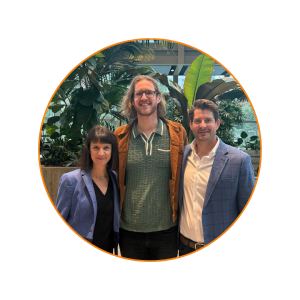
How can brainwriting transform divergent thinking sessions?Please complete our short 2024 survey to help us build season ten!In this episode of the Fueling Creativity in Education podcast, hosts Dr. Matthew Worwood and Dr. Cyndi Burnett chat with emerging scholar Jimmy Wilson about the connections between creativity research and education. They dive into the growing use of brainwriting in creative thinking sessions, explaining how it benefits different types of learners. Cyndi shares her experiences and research, emphasizing the value of teaching students how to think creatively by delaying judgment and encouraging originality and fluency.Jimmy highlights a study involving Italian elementary students and refugees, suggesting that college admissions should consider creativity to reflect diverse backgrounds. Together, they explore a fun exercise where participants take on different personas to think more creatively and brainstorm new uses for everyday objects. They also discuss how varying the timing of feedback can enhance the creative process and share practical examples, like Neil Bergenroth’s use of rowing machines to teach STEM concepts.The conversation touches on equity in creativity, pointing out how cultural sensitivity and diverse environments can inspire new ideas. The hosts stress the importance of flexible and inclusive teaching methods to meet the needs of all learners. Wrapping up, they reflect on how creativity can drive positive change and help address challenges in education.Eager to bring more creativity into your school district?Check out our sponsor Curiosity2Create.org Check out our new website at FuelingCreativitypodcast.comWhat to learn more about Design Thinking in Education? Do you want to build a sustained culture of innovation and creativity at your school? Visit WorwoodClassroom.com to understand how Design Thinking can promote teacher creativity and support professional growth in the classroom. Are you looking for more Creativity and Education Resources, Check out CreativityandEducation.comSubscribe to our monthly newsletter!
Dec 17, 2024
Dec 17, 2024
28 min
Please complete our short survey to help us prepare for Season Ten of the Fueling Creativity in Education podcast!In this final Season Nine debrief of the Fueling Creativity in Education podcast, hosts Dr. Matthew Worwood and Dr. Cyndi Burnett celebrate the contributions of season nine's guests, including Colin Seale, Dr. Talia Goldstein, and Dr. Robert Sternberg, whose insights have enriched conversations on creativity in education. Cyndi and Matthew underscore the value of viewing the world through multiple perspectives, using theater education as a compelling example. They illustrate how theater fosters creativity by encouraging students to fill in gaps, embrace ambiguity, and empathize with diverse viewpoints. They also draw connections between theater and the field of law, highlighting the essential skill of embodying multiple perspectives as a critical competency.The conversation expands to explore the role of creative intelligence in education. Matthew emphasizes the importance of creative thinking in generating, refining, and applying ideas, noting that non-conformity often plays a pivotal role in nurturing creativity. This perspective is contrasted with the social pressures children face to conform, prompting a thought-provoking discussion about balancing adherence to norms with the courage to challenge them.Cyndi shares her personal experiences as a self-identified rule-follower, emphasizing the need to navigate this balance thoughtfully in different contexts. Together, the hosts delve into the environments where breaking rules may be more appropriate and how education can equip students to make informed decisions about when to push boundaries. Drawing on Sternberg's research, they explore the connection between creativity and academic success, particularly in helping students adapt to new life stages, such as the transition from high school to college.Check out our new website- Fueling Creativity in Education!Eager to bring more creativity into your school district?Check out our sponsor Curiosity2Create.org and CreativeThinkingNetwork.comWhat to learn more about Design Thinking in Education? Do you want to build a sustained culture of innovation and creativity at your school? Visit WorwoodClassroom.com to understand how Design Thinking can promote teacher creativity and support professional growth in the classroom. Subscribe to our monthly newsletter!

Dec 10, 2024
Dec 10, 2024
39 min
What is transformational creativity, and how does it apply to the field of education?
In the second part of the double expresso episode of the Fueling Creativity in Education Podcast, world-renowned creativity scholar Dr. Robert Sternberg dives into the evolving perceptions and applications of creativity over his 50-year career.
Together, they engage in a critical discourse on how modern education and standardized testing fail to genuinely value creativity. Sternberg's insightful critique highlights the misuse of creativity for personal and financial gain rather than societal benefit, introducing the concept of "pseudo transformational creativity," where leadership appears transformational but serves self-interests. He emphasizes the importance of learning from history to recognize and combat deceptive leadership, advocating for "true transformational creativity" that positively impacts society. Additionally, Sternberg discusses the alarming decline in moral and civic education in favor of test preparation, arguing for a balanced, value-integrated approach to teaching creativity.
The episode also tackles the implications of generative AI on creativity and cognitive abilities. Sternberg shares his concerns that excessive reliance on AI could erode human creativity and critical thinking, mentioning real-world incidents where students depended on AI against academic integrity guidelines. Sternberg offers valuable tips for educators, including promoting moral values, varying teaching styles, and encouraging independent thinking.
About Dr. Robert Sternberg:
Dr. Robert J. Sternberg is a Professor of Psychology in the College of Human Ecology at Cornell University and an Honorary Professor of Psychology at Heidelberg University, Germany. Sternberg is a Past President of the American Psychological Association, the Federation of Associations in Behavioral and Brain Sciences, the Eastern Psychological Association, and the International Association for Cognitive Education and Psychology. Dr. Sternberg holds 13 honorary doctorates from 11 countries and has won more than two dozen awards for his work.
For a more extensive bio, click here.
Eager to bring more creativity into your school district?Check out our sponsor Curiosity2Create.org
Check out the new Fueling Creativity website!
What to learn more about Design Thinking in Education? Do you want to build a sustained culture of innovation and creativity at your school? Visit WorwoodClassroom.com to understand how Design Thinking can promote teacher creativity and support professional growth in the classroom. Subscribe to our monthly newsletter!